
The Ultimate Guide to Vietnamese Cuisine: Philosophy, Regional Secrets, and Iconic Dishes
- Thu Phuong Truong
- 21 hours ago
- 6 min read

There is a profound philosophy embedded within Vietnamese cuisine that sets it apart from any other culinary tradition: the art of absolute balance. Every iconic dish is a meticulous dance between five fundamental tastes—spicy, sour, bitter, salty, and sweet—crafted to nourish both the body and the soul. As global food culture shifts toward fresh, health-conscious, and ingredient-driven experiences, Vietnamese cuisine has emerged as an undisputed favourite. Here is your definitive guide to understanding the philosophy, regional secrets, and iconic dishes of the real Vietnam.
The Core Philosophy: Yin, Yang, and the Five Tastes
At the heart of authentic Vietnamese cuisine lies the concept of Yin and Yang balance (Âm Dương). Ingredients are classified by their inherent "heating" or "cooling" properties. For instance, duck meat is considered "cool" (Yin), which is why it is traditionally paired with ginger fish sauce, a "warm" (Yang) condiment. Similarly, seafood (cool) is naturally balanced with chilli, lemongrass, and garlic (warm). Furthermore, a master Vietnamese chef utilises the Năm Vị (Five Tastes) to ensure no single flavour overpowers another:
Sour (Wood)
Brought by lime, tamarind, and rice vinegar.
Bitter (Fire)
Introduced through dark greens, herbs, and burnt caramel sauce.
Sweet (Earth)
Derived from sugarcane, coconut water, and slow-cooked bone broths.
Spicy (Metal)
Driven by fresh bird's eye chillies and black peppercorns.
Salty (Water)
Anchored by the backbone of the entire cuisine—fermented fish sauce (nước mắm).
The Great Divide: A Culinary Journey Across Three Regions
Geography shapes flavour. Because Vietnam spans over a thousand miles from north to south, Vietnamese cuisine is beautifully fractured into three distinct regional styles, each possessing its own unique personality.
Northern Vietnam (The Cradle of Tradition)
Northern food is pure, minimalist, and deeply rooted in ancestral traditions. Due to a cooler climate, historical ingredient scarcity, and a preference for subtlety, Northern chefs do not rely heavily on sugar or intense spices. Instead, they focus on capturing the clean, natural flavours of the main ingredients. Black pepper takes centre stage over chilli, and broths are prized for their crystalline clarity.
Central Vietnam (The Royal and Bold Masterpieces)
Central Vietnam, particularly the ancient imperial capital of Huế, offers a dramatic shift. Here, food is complex, intensely spicy, and highly decorative. Influenced by both the opulent demands of royal dynasties and the fiery preferences of the local culture, Central dishes are characterised by small, artistic portions, heavy use of local chillies, and pungent shrimp pastes (mắm ruốc).
Southern Vietnam (The Vibrant Explosion of Sweetness)
Southern food is an uninhibited celebration of abundance. Blessed with fertile soil from the Mekong Delta, a warm tropical climate, and historical trade routes, Southern Vietnamese cuisine is bold, vibrant, and sweet. Coconut milk, palm sugar, and a staggering variety of tropical herbs dominate the palate. It is a cuisine that loves to borrow influences from Cambodia, Thailand, and China, turning every meal into a festive gathering.
Five Iconic Dishes Every Food Lover Must Try
If you are exploring a Vietnamese cuisine menu for the first time, bypass the generic options and look for these definitive masterpieces:
Phở (The National Soul)
A flat rice noodle soup served with tender beef or chicken cuts, swimming in an aromatic broth simmered from bones for up to 18 hours.
Bún Chả (Hanoi’s Street Food King)
Charcoal-grilled pork patties and belly slices submerged in a warm, tangy fish sauce broth, served alongside cold rice vermicelli and a mountain of fresh herbs.
Bánh Mì (The Ultimate Fusion Sandwich)
A crispy, airy French baguette smeared with rich pâté and homemade mayonnaise, stuffed with various pork charcuterie, pickled daikon and carrots, cucumber, cilantro, and a dash of chilli sauce.
Bánh Xèo (The Sizzling Crepe)
A crispy, savoury crepe made from rice flour and turmeric, filled with pork, shrimp, and bean sprouts. It is torn apart, wrapped inside fresh mustard leaves, and dipped in sweet chilli fish sauce.
Cơm Tấm (Saigon's Broken Rice)
Originally a humble dish made from fractured rice grains, it is topped with a sweet-savoury lemongrass-grilled pork chop, shredded pork skin, a steamed egg meatloaf, and drizzled with scallion oil.

The Hidden Trap of Vietnamese cuisine: Street Food Authenticity vs. Modern Commercialization
With the global explosion of Vietnamese restaurants, a major issue has arisen for food enthusiasts. To accommodate mass production, many modern eateries have stripped Vietnamese cuisine of its defining feature: freshness.
Frozen herbs, pre-packaged powdered broths, and processed meats have replaced the morning-market shopping culture that defines real Vietnamese cooking. True Vietnamese food is hyper-local and cooked fresh daily. Preservatives and heavily processed substitutes kill the delicate aroma of the herbs and cloud the integrity of the natural umami.
Vietnamese Cuisine on the Global Stage: Awards & Global Recognition
In recent years, Vietnamese cuisine has officially transitioned from a cult-favourite street food culture into a globally decorated culinary powerhouse. The world’s top food critics and organisations have continuously showered the country with prestigious titles:
World’s Best Culinary Destination
Vietnam was proudly named Asia’s Leading Culinary Destination at the prestigious World Travel Awards (WTA).
The Michelin Effect
The arrival of the Michelin Guide in Hanoi, Da Nang, and Saigon has cemented the country's fine-dining status, proving that a humble $2 bowl of street food and a high-end tasting menu deserve equal respect.
The Ultimate Global Endorsement
Legendary chef Anthony Bourdain famously declared his obsession with Vietnamese flavours, calling his culinary trip to Vietnam "life-changing".

Mind-Blowing Fun Facts About Vietnamese Food Culture
To truly understand Vietnamese cuisine, you need to know the quirky and fascinating logic behind the kitchen counters:
"Identity Crisis" in Restaurant Names
Have you ever wondered why so many Vietnamese eateries overseas have numbers in their names (like Pho 79 or Pho 88)? These numbers usually mark significant historical years, such as the year the family immigrated, or lucky numbers in Eastern numerology.
Coffee with an Egg Twist
Vietnam is the world's second-largest coffee exporter, but their most famous creation is Cà Phê Trứng (Egg Coffee)—a thick, decadent brew topped with creamy, whisked egg yolks and condensed milk, born in Hanoi during a 1940s milk shortage.
An Alphabet of Herbs
A single platter of Vietnamese herbs can contain up to 10 different species, each acting not just as a flavour enhancer but as a traditional holistic remedy to aid digestion and lower blood pressure.
What Global Foodies Say: Real Reviews & Testimonials
Here is why travellers and culinary experts around the world are continuously captivated by the genuine flavours of Vietnam:
🌟 "The Cleanest, Freshest Food on Earth"
"I used to think Thai food was my favourite, but Vietnamese cuisine blew me away with its freshness. It doesn't rely on heavy dairy or thick oils. You eat a massive bowl of herbs, rice noodles, and grilled meats, and you leave the table feeling energised, not bloated. It’s pure culinary magic." - Sarah Jenkins, Culinary Blogger & Traveler (UK)
🌟 "A Masterclass in Texture Contrasts"
"The first time I bit into a real Bánh Mì, I understood the hype. You get the warm, airy crunch of the baguette; the rich savouriness of the pâté; the refreshing, cold crunch of pickled daikon; and the sharp kick of fresh chilli. Every bite is an auditory and sensory experience." - Chef David Chang, Casual Dining Consultant (USA)
Discover the Genuine Soul of Vietnam with Ha Noi 1988
You do not need to book a flight to Southeast Asia to experience the true depth of Vietnamese cuisine. At Ha Noi 1988, we act as the ultimate cultural bridge, connecting global food lovers with the absolute purest forms of Vietnamese culinary art.

We are dedicated to preserving heritage by providing the following:
Uncompromising Ingredient Standards: We champion the use of fresh herbs (like Thai basil, perilla, and sawtooth coriander) and traditional premium fish sauces.Curated Regional Culinary Guides: Step-by-step masterclasses that explain the "why" and "how" behind historic recipes.
A Verified Network: Connecting you with authentic restaurants, local culinary artisans, and passionate home chefs who refuse to take commercial shortcuts.
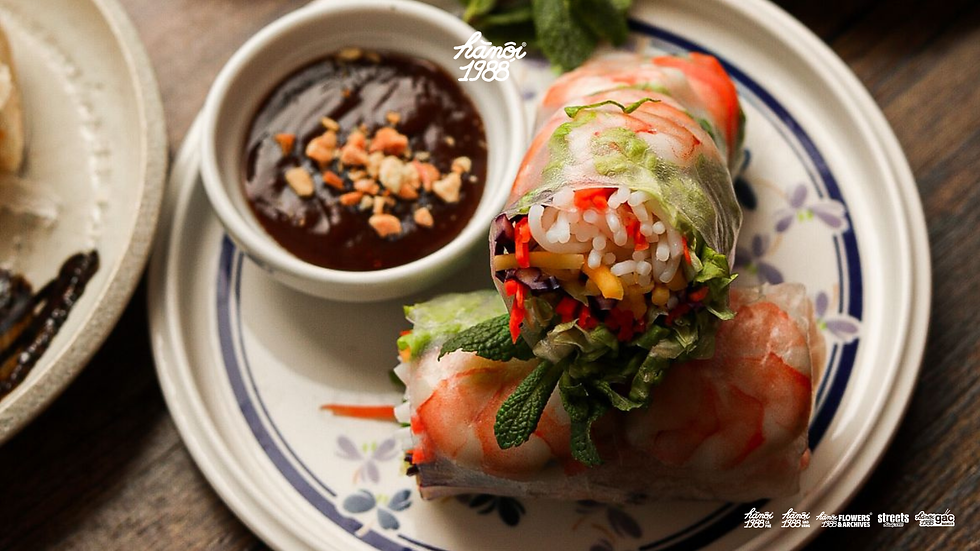
Whether you are looking to master the art of the perfect summer roll, understand the medicinal properties of local Vietnamese herbs, or locate a genuinely authentic eatery near you, Ha Noi 1988 is your definitive encyclopedia.
Explore our rich archive of cultural stories, professional video masterclasses, and verified community reviews today. Your journey into the healthy, aromatic, and unforgettable world of authentic Vietnamese cuisine starts with us.


![Where to Find the Best Pho in Paris [2026 Update]](https://static.wixstatic.com/media/084102_f1fa421337eb4e7695e4f39f05305f46~mv2.png/v1/fill/w_980,h_551,al_c,q_90,usm_0.66_1.00_0.01,enc_avif,quality_auto/084102_f1fa421337eb4e7695e4f39f05305f46~mv2.png)
Comments