
How to Eat Vietnamese Food Like a Local: A Guide | Ha Noi 1988

Learn how to eat Vietnamese food like a local, from chopsticks and fresh herbs to pho, dipping sauces and dining etiquette, with Ha Noi 1988 in Paris.
How to Eat Vietnamese Food Like a Local
Learning how to eat Vietnamese food is about more than mastering chopsticks. It is about discovering how fresh herbs, flavourful sauces and shared dishes come together to create a balanced and memorable meal. From enjoying a steaming bowl of pho to wrapping grilled meat in fresh herbs and rice paper, every dish offers its own way to experience Vietnamese food culture.
The good news is that there are no complicated rules to memorise. A little curiosity, an open mind and a willingness to explore different flavours are all you need. At Ha Noi 1988, we love introducing guests to the traditions behind Vietnamese cuisine, helping them feel comfortable at the table while discovering the flavours that make each dish special.
Whether you are trying Vietnamese food for the first time or looking to deepen your appreciation of it, this guide will help you enjoy your meal with confidence.
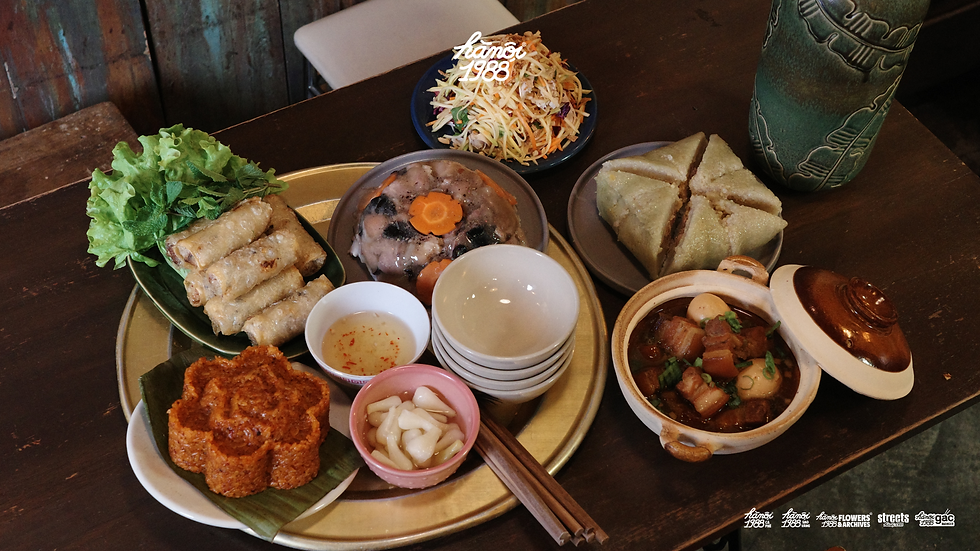
Why Is Vietnamese Food Often Shared Family Style?
One of the most distinctive features of a traditional Vietnamese meal is the way food is shared. Rather than serving every dish separately, families often place several dishes in the centre of the table, allowing everyone to enjoy a little of everything.
A typical home cooked meal may include a bowl of rice for each person, a savoury main dish, fresh or cooked vegetables, soup and a selection of dipping sauces. Diners use their chopsticks to take small portions from the shared dishes and enjoy them with their rice. This creates a natural balance of flavours and textures throughout the meal.
Sharing food is also an expression of hospitality and family connection. In Vietnamese homes, younger family members may say “mời” before eating to invite older relatives to begin. It is a simple gesture that conveys respect and warmth.


How Do You Use Chopsticks and a Spoon When Eating Vietnamese Food?
Chopsticks are essential at many Vietnamese meals, particularly for picking up noodles, rice and pieces of meat or vegetables. A spoon is commonly used for broth, soup and other liquid components of a dish. Using both utensils together becomes especially helpful when enjoying noodle soups such as pho.
When eating pho, for example, you can use your chopsticks to lift the noodles while holding a spoon in your other hand to collect the broth. Take your time and enjoy the dish at a comfortable pace. It is perfectly acceptable to bring your rice bowl closer to your mouth when eating rice.
There is one traditional etiquette rule worth remembering: avoid leaving your chopsticks standing upright in a bowl of rice. This arrangement resembles incense sticks offered in remembrance of the deceased, so it is generally considered inappropriate at the dining table. Instead, place your chopsticks on a rest or neatly across the edge of your bowl when you are not using them.
Beyond these customs, the best approach is to relax and enjoy your meal. You do not need perfect technique to appreciate Vietnamese food.

How Do You Eat Pho Like a Local?
Pho is one of Vietnam's most recognised dishes, known for its fragrant broth, flat rice noodles and carefully prepared toppings. Originating in northern Vietnam in the early twentieth century, it has developed into a beloved national dish, with regional variations reflecting different tastes and traditions.
Hanoi style pho is often characterised by a clear, aromatic broth, tender beef or chicken, flat rice noodles and simple garnishes such as scallions and herbs. The emphasis is on the flavour of the broth and the quality of the ingredients, rather than an abundance of additional condiments.

\

When your bowl arrives, start by tasting the broth before adding anything. This lets you appreciate its natural depth and the balance of spices and aromatics. You can then add a little lime, chilli or other available seasoning according to your preference.
Southern Vietnamese pho is often served with a generous plate of fresh herbs and bean sprouts, with additional sauces available at the table. Its flavour profile can be sweeter and its accompaniments more abundant than those commonly associated with Hanoi style pho. Neither approach is more authentic than the other. Both reflect the diversity of Vietnamese cuisine.
At Ha Noi 1988, our signature pho broth simmers for 24 hours, allowing the ingredients to develop a rich, layered flavour. We recommend tasting the broth first and then adjusting the seasoning to your liking. It is a simple way to appreciate the care that goes into every bowl.
How Do You Eat Vietnamese Herbs and Dipping Sauces?
Fresh herbs and dipping sauces are central to the Vietnamese dining experience. They are not merely garnishes. They add fragrance, texture and contrasting flavours that help bring a dish into balance.
Depending on the dish, you may find mint, Vietnamese coriander, perilla, lettuce or other fresh greens served alongside your meal. Add the herbs gradually to noodle soups, combine them with grilled meat or use them when preparing fresh rice paper rolls. Their freshness can complement richer ingredients and make each bite more vibrant.
Dipping sauces play an equally important role. Nuoc cham, a familiar Vietnamese dipping sauce, often combines fish sauce, lime, sugar, garlic and chilli. The result is a balance of savoury, sweet, sour and spicy flavours that pairs well with a wide range of dishes.
The easiest way to enjoy these accompaniments is to start with a small amount and adjust to your taste. Dip rather than completely drench your food, so the original flavours and textures remain noticeable.
This balance is particularly enjoyable with dishes such as banh uot, where soft steamed rice sheets are served with fresh herbs, savoury toppings and dipping sauce. With Vietnamese grilled pork, herbs and sauce can add brightness and depth to every bite.

How Do You Eat Vietnamese Rice Paper Rolls?
Vietnamese rice paper rolls offer a more hands on way to enjoy the country's food traditions. Fresh rolls are typically filled with ingredients such as rice vermicelli, prawns, pork and herbs, all wrapped in delicate rice paper.
If you are served fresh rice paper rolls, you can generally pick them up with your hands and dip them into the accompanying sauce. Peanut based hoisin sauce and nuoc cham are common accompaniments, although the choice depends on the recipe and regional tradition.
The key is to enjoy the contrast between the soft rice paper, fresh vegetables, aromatic herbs and savoury filling. Take a bite, add a little sauce and notice how the ingredients work together.

Not every Vietnamese dish is eaten with chopsticks. Fresh rice paper rolls and certain herb wraps are traditionally handled by hand, making the meal more interactive and enjoyable.
What Do Vietnamese People Drink After a Meal?
Coffee is an important part of everyday life in Vietnam, enjoyed in the morning, during afternoon breaks or as a relaxed way to finish a meal. Vietnamese coffee is often prepared using a small metal filter called a phin, which allows the coffee to drip slowly into a cup.
Traditional Vietnamese coffee is known for its strong flavour and is frequently served with sweetened condensed milk. Another famous speciality is Hanoi egg coffee, a rich drink made with coffee topped with a creamy mixture of egg yolk and sugar. It emerged in Hanoi in the 1940s and has since become one of the city's best known café traditions.
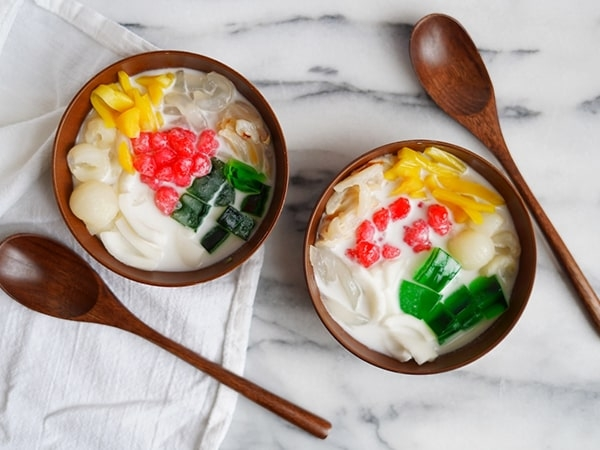
For a different experience, Vietnamese desserts often feature ingredients such as coconut milk, beans, tropical fruits and pandan. These flavours create a variety of textures and levels of sweetness, from refreshing jelly desserts to richer, creamier treats.
If you would like to discover Hanoi's café culture in Paris, Ha Noi 1988 Ca Phe at 35 Rue Galande offers another way to explore Vietnamese food traditions beyond the dining table.
Frequently Asked Questions About Eating Vietnamese Food
Do You Eat Vietnamese Food with Your Hands?
Most Vietnamese dishes are eaten with chopsticks and a spoon, but some are designed to be enjoyed by hand. Fresh rice paper rolls and certain grilled meat wraps are commonly assembled and eaten with your fingers. Follow the way the dish is traditionally served and use the utensils provided if you are unsure.
Should You Add All the Herbs to Your Pho?
Not necessarily. Start with a small amount of herbs and bean sprouts, if provided, and add more as you eat. This allows you to enjoy the broth while adjusting the freshness and texture to your preference.
Is It Rude to Slurp Noodles in Vietnam?
A little slurping while eating noodles is generally tolerated and is not considered a major etiquette issue in casual Vietnamese dining. However, there is no need to make a deliberate effort to slurp. Eat comfortably and be considerate of the people around you.
Should You Finish the Dipping Sauce?
No. Dipping sauce is intended to season your food rather than be consumed on its own. Use as much as you enjoy, and leave the remainder in the bowl.
What Should You Try First When Eating Vietnamese Food?
If you are new to Vietnamese cuisine, pho is a familiar starting point thanks to its fragrant broth, rice noodles and simple toppings. You can also explore fresh rice paper rolls, banh uot or other dishes that combine herbs, savoury ingredients and dipping sauces. Trying different dishes is one of the best ways to discover the diversity of Vietnamese food.
Discover Vietnamese Food Culture at Ha Noi 1988
Knowing how to eat Vietnamese food is ultimately about enjoying the experience. From sharing family style dishes and discovering the fragrant broth of pho to pairing fresh herbs with dipping sauces, each meal offers an opportunity to explore the flavours and traditions of Vietnam.
At Ha Noi 1988, we bring these traditions to Paris through Vietnamese dishes inspired by family recipes, regional flavours and the pleasure of gathering around the table. Whether you are discovering Vietnamese cuisine for the first time or returning to flavours you already love, we look forward to welcoming you.
Ready to explore Vietnamese food in Paris? Book a table at Ha Noi 1988 and experience the flavours of Vietnam for yourself.


Comments