
Che Thai: Discover Vietnam’s Colorful Fruit Dessert

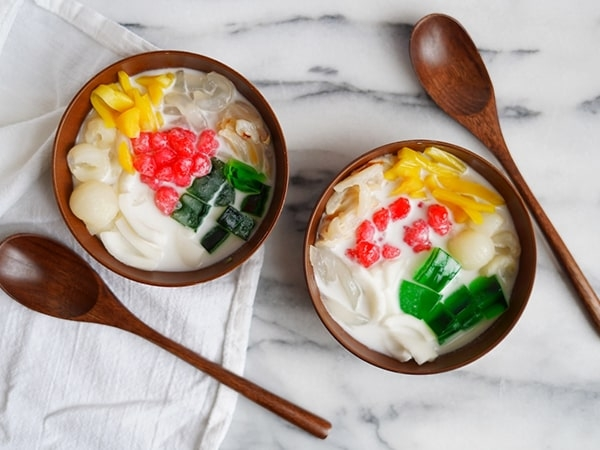
Colorful tropical fruits, chewy jellies, crunchy water chestnuts and a creamy coconut base come together in Che Thai, one of the most refreshing desserts enjoyed in Vietnam. Written Chè Thái in Vietnamese, this chilled dessert is sometimes described in English as a Vietnamese fruit cocktail, although that simple translation does not fully capture its combination of flavours and textures. A glass of Che Thai can contain jackfruit, lychee, longan, coconut jelly, colourful agar or pandan jelly and crunchy “red rubies”, all surrounded by a sweet, creamy liquid and often served cold or over ice. The result is part dessert, part fruit cocktail and unmistakably part of Vietnam’s diverse culture of chè.

What Is Che Thai?
Che Thai is a Vietnamese dessert made with a mixture of tropical fruits, jellies and a sweet creamy base. Unlike a cake or pastry, the ingredients are usually assembled together in a bowl or tall glass and eaten with a spoon. Jackfruit, lychee and longan are among the fruits commonly found in the dessert, while coconut jelly, pandan jelly or other colourful jellies add different textures. Water chestnuts coated in tapioca starch can create the characteristic chewy-crunchy “red rubies”. Coconut milk or another creamy milk mixture then brings everything together. There is no single ingredient list followed by every family or shop, which is why two glasses of Che Thai can look and taste quite different.
What Does “Chè” Mean in Vietnamese?
To understand Che Thai, it helps to understand the word chè. In Vietnamese cuisine, chè does not describe one particular recipe. It refers to a broad family of sweet dishes that can include dessert soups, puddings, drinks and combinations of fruit, beans, sticky rice, jellies, coconut milk and other ingredients. Some types of chè are served warm, while others are best enjoyed cold. This means Chè Thái is only one member of a much larger Vietnamese dessert tradition. Other varieties can be completely different in colour, texture and ingredients.

Is Che Thai Vietnamese or Thai?
The answer is more interesting than simply choosing one country. Che Thai as it is commonly eaten today is a Vietnamese dessert with Thai influence. Food Network connects the dish to the Thai dessert tub tim krob, which combines coconut milk or cream with distinctive “red rubies” made from water chestnuts coated in tapioca starch. Vietnamese Che Thai expands on this idea by adding a wider variety of tropical fruits and colourful jellies.
This distinction matters because calling Che Thai simply a “traditional Thai dessert” ignores how the dish has been adapted and embraced in Vietnam. At the same time, presenting it as having no Thai influence would also erase an important part of its story. Food cultures travel, and Che Thai is a good example of how an idea can cross borders and develop a new identity.
What Is in Che Thai?
There is no single definitive list of Che Thai ingredients, but several appear frequently. Jackfruit is particularly recognisable because of its golden colour, fragrant aroma and slightly chewy texture. Lychee and longan bring juicy sweetness, while coconut jelly and other jellies provide softer or bouncier textures. Water chestnuts can be cut into small cubes, coated in tapioca starch and cooked to create colourful chewy pearls. Coconut milk provides richness, while some versions use cream or other dairy ingredients to create an even creamier base. SBS's Vietnamese Che Thai, for example, includes jackfruit, lychee, water chestnuts and jelly, illustrating the mixture of fruit and textures typical of the dessert.

What Does Che Thai Taste Like?
Che Thai is sweet, creamy, fruity and refreshing, but its real appeal comes from texture. One spoonful might contain soft lychee, chewy jackfruit, crunchy water chestnut, slippery jelly and creamy coconut milk all at once. The next spoonful can be completely different. Coconut brings richness, while tropical fruits provide fragrance and sweetness. Ice keeps the dessert refreshing and can gradually lighten the creamy base as it melts. Unlike desserts built around one dominant texture, Che Thai is designed around variety.
How Do You Eat Che Thai?
Che Thai is usually enjoyed cold, making it particularly refreshing in warm weather. The fruits and jellies are placed into a bowl or glass before the creamy liquid is added. Crushed or shaved ice may be added depending on the version. Use a spoon and try to pick up several ingredients at once rather than eating each fruit separately. As with many Vietnamese dishes, the experience comes from contrast: creamy liquid, juicy fruit, chewy jelly and crunchy water chestnuts all meet in the same spoonful. Food Network notes that Che Thai is often assembled in a tall glass, allowing its colourful ingredients to remain visible.
Discover Vietnamese Desserts with Ha Noi 1988
At Ha Noi 1988, telling the story of Vietnamese cuisine means going beyond savoury dishes. Vietnamese food culture also includes the desserts, drinks and small sweet moments that come after a meal or appear throughout the day. Che Thai is a particularly colourful introduction to the world of Vietnamese chè, bringing together tropical fruit, coconut, jellies and different textures in one glass. Whether or not Che Thai appears on the current Ha Noi 1988 menu, understanding desserts like this reveals another side of Vietnamese food - playful, refreshing and much more diverse than many diners outside Vietnam might expect.
Frequently Asked Questions About Che Thai
What is Che Thai? Che Thai is a Vietnamese chilled dessert made with a combination of tropical fruits, jellies and a creamy base such as coconut milk. Common ingredients include jackfruit, lychee, longan, water chestnuts and coconut jelly.
Is Che Thai Vietnamese or Thai? Che Thai is commonly considered a Vietnamese dessert inspired by the Thai dessert tub tim krob. Vietnamese versions developed by adding tropical fruits, jellies and other ingredients.
What does Che Thai taste like? Che Thai is sweet, creamy and fruity, with a mixture of soft, chewy and crunchy textures from tropical fruits, jellies and water chestnuts.
Does Che Thai contain coconut milk? Many versions use coconut milk, although some recipes use half-and-half, cream or other creamy bases instead.
Does Che Thai have durian? Some versions contain durian, but it is not universal. Many Che Thai recipes are made with jackfruit, lychee, longan and jellies without durian.
What are the red pieces in Che Thai? In many versions, the “red rubies” are diced water chestnuts coated in tapioca starch and boiled, giving them a crunchy centre and chewy exterior.
Is Che Thai served hot or cold? Che Thai is generally served chilled and can be accompanied by crushed or shaved ice.
Is Che Thai vegan? It can be, but not every version is vegan. Some recipes contain dairy, and the ingredients used for jellies should also be checked.


Comments