
All About Banh Hoi: Ingredients, Traditional Recipe, How to Eat & Calories
- Thúy An Trịnh Thị
- 1 day ago
- 5 min read


Banh hoi is one of Vietnam's most elegant rice noodle dishes. Although simple in appearance, it requires remarkable craftsmanship to produce the delicate bundles of ultra-thin rice noodles that make it unique. The dish is enjoyed throughout Vietnam, particularly in Vung Tau, Ben Tre, Phu Yen, Nha Trang, and Binh Dinh, where it is often served alongside grilled meats, roasted pork, fresh herbs, and Vietnamese dipping sauce.
Whether you're curious about its history, want to make it at home, or are looking for an authentic Vietnamese restaurant in Paris, this guide covers everything you need to know about banh hoi.
What Is Banh Hoi?
Bánh hỏi is a traditional Vietnamese specialty found in several provinces, including Vung Tau, Ben Tre, Phu Yen, Nha Trang, and Binh Dinh. It is commonly served at weddings, ancestral ceremonies, temple festivals, and other important family gatherings. Made primarily from rice flour and water, bánh hỏi is known for its delicate, thin rice strands and the careful preparation required to achieve its signature texture.
Unlike pho or bun, banh hoi is not served in broth. Instead, it is usually brushed with fragrant scallion oil and paired with grilled pork, roast pork, beef, seafood, or Vietnamese sausage.
Traditional Bánh Hỏi Recipe
Ingredients (Serves 5)
750 g rice flour (or 700 g uncooked non-glutinous rice, ground into flour)
80 g potato starch
4 tablespoons cooking oil
A pinch of salt
Hot water (about 500 ml)
Instructions
1. Prepare the Rice Flour
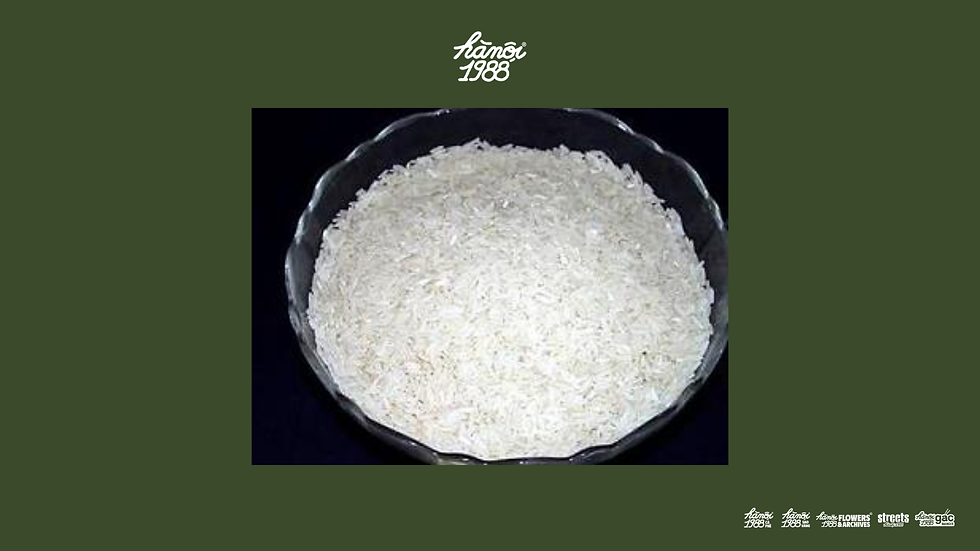
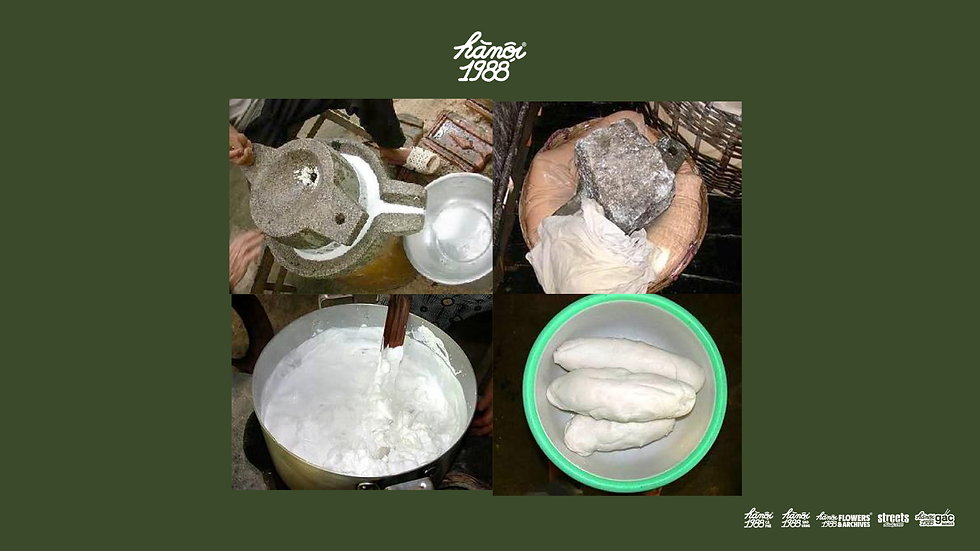
If using raw rice, wash and soak non-glutinous rice for 10–12 hours. Drain, grind into a smooth paste, then strain and let the mixture drain overnight until excess water is removed. If using ready-made rice flour, you can skip this step.
2. Mix the Dough
In a large bowl, combine about two-thirds of the rice flour with a pinch of salt. Gradually pour in 500 ml of hot water while stirring continuously until smooth. Add 2 tablespoons of cooking oil and mix well.
3. Steam the Dough
Transfer the batter to a steaming tray or heatproof container and steam over medium heat for 2–3 minutes. Stir the mixture once during steaming until it thickens into a sticky dough.
4. Add Remaining Flour and Steam Again
Mix the partially cooked dough with the remaining rice flour until evenly combined. Steam again for 5–7 minutes, just until the surface becomes slightly translucent. Avoid overcooking, as this will affect the final texture.
5. Knead the Dough
Transfer the steamed dough to a bowl and knead in the potato starch until smooth and elastic. Cover and let the dough rest for about 20 minutes.
6. Boil the Dough
Bring a pot of water to a boil and add 1 tablespoon of cooking oil. Shape the dough into a compact log and boil it for about 5 minutes. Remove and allow it to cool slightly.
7. Knead Again
While still warm, knead the dough thoroughly until smooth and elastic. Lightly oil your work surface to prevent sticking. Divide the dough into portions that fit your bánh hỏi press, keeping any unused dough covered to retain warmth.
8. Press the Noodles
Place the warm dough into a bánh hỏi press and squeeze it into thin strands. Arrange the strands in neat layers on a steaming tray.

9. Final Steaming
Steam the pressed noodles over high heat for about 3 minutes, or until fully cooked.
Serving Suggestions
Properly cooked bánh hỏi should be soft, slightly chewy, and separate easily without sticking together. Brush the noodles with scallion oil before serving.
Bánh hỏi is traditionally enjoyed with roasted pork, grilled pork, or grilled meats, accompanied by fresh herbs, pickled vegetables, and a sweet-and-sour Vietnamese dipping sauce.

Storage
Fresh bánh hỏi can be frozen for up to one week. Thaw before reheating.
Dried bánh hỏi can be stored in a cool, dry place. To serve, briefly soak or blanch it in boiling water for about one minute before use.
If You Like Banh Hoi, You'll Also Love These Dishes at Hanoi 1988
If you enjoy the light texture and fresh flavors of banh hoi, you'll likely appreciate other classic Vietnamese dishes available at Hanoi 1988.
Some excellent choices include:
Pho Bo – Hanoi's iconic beef noodle soup with slow-cooked broth.
Pho Ga – A lighter chicken version of Vietnam's national dish.
Bun Bo – Rice vermicelli served with marinated beef, fresh herbs, and house-made sauce.
Bun Chay – A vegetarian rice noodle bowl with tofu and mushrooms.
Nem (Vietnamese Spring Rolls) – Crispy homemade spring rolls filled with meat or vegetables.
Summer Rolls – Fresh rice paper rolls with shrimp, chicken, or tofu.
Mango Salad – A refreshing appetizer balancing sweet, sour, and savory flavors.
Banh Bao – Soft steamed buns with savory fillings.
These dishes showcase the diversity of Vietnamese cuisine while sharing the same emphasis on fresh herbs, balanced flavors, and handcrafted preparation.
Frequently Asked Questions
What is banh hoi made of?
Banh hoi is primarily made from rice flour and water. The noodles are pressed into extremely thin strands before being steamed.
What does banh hoi taste like?
On its own, banh hoi has a mild rice flavor and a soft, delicate texture. Most of its flavor comes from scallion oil, grilled meats, fresh herbs, and Vietnamese dipping sauce.
How do you eat banh hoi?
Traditionally, diners combine a small bundle of banh hoi with grilled pork or roasted meat, wrap everything in lettuce and herbs if desired, then dip it into nuoc cham before eating.
Is banh hoi gluten-free?
Yes. Traditional banh hoi is naturally gluten-free because it is made from rice. However, always check accompanying sauces and processed ingredients if you have gluten sensitivities.
How many calories are in banh hoi?
A serving of plain banh hoi contains approximately 180–220 calories. A complete meal with grilled pork, scallion oil, herbs, and dipping sauce typically ranges from 450–700 calories depending on the portion size.
What's the difference between banh hoi and vermicelli noodles?
Although both are made from rice, banh hoi consists of much finer strands woven into small sheets or bundles. Rice vermicelli is thicker, served loose, and commonly used in noodle bowls or spring rolls.
Experience Authentic Vietnamese Cuisine at Hanoi 1988
Banh hoi reflects the craftsmanship and balance that define Vietnamese cooking. While this particular specialty may not always be available outside Vietnam, the culinary tradition it represents can still be experienced through many authentic Northern Vietnamese dishes.
Northern Vietnamese cuisine, with its emphasis on clean flavors, fresh herbs, slow-cooked broths, and carefully prepared ingredients, is brought to life at Hanoi 1988 in Paris. Every dish celebrates the same philosophy of simplicity, balance, and respect for traditional recipes.
Ready to experience Vietnamese cuisine the way it is meant to be enjoyed? Hanoi 1988 serves authentic Northern Vietnamese specialties across its Paris locations. To reserve a table or explore the complete menu, visit https://www.viet-eat.com/menu and discover your next favorite Vietnamese dish.



Comments